Share On:
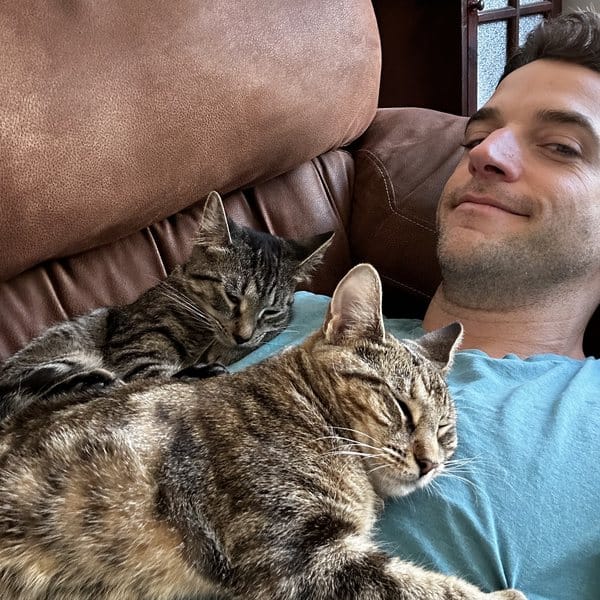
By Chad, cat dad to Fawn and Arya. I’m not a vet or a licensed insurance agent; this is what I’ve learned paying vet bills for three cats, with sources linked.
This post includes an affiliate link to Trupanion, so I may earn a commission if you buy a policy through it, at no extra cost to you. My own cats are insured with Nationwide, and I’ll tell you how that’s gone.
Indoor cats don’t dart into traffic or get into fights, so it’s easy to assume they’re low risk and skip pet insurance. But the expensive problems are mostly illnesses, not injuries, and staying inside doesn’t prevent those. Here’s how to decide whether a policy makes sense for your cat, and what to watch for when you compare them.
Quick answer
For most indoor cats, yes, though not for the reason people expect. Staying inside lowers the risk of injuries, not illness, and the conditions that cost thousands (kidney disease, urinary problems, cancer) hit indoor cats too. The test: if a surprise $3,000 vet bill would hurt, insurance is worth pricing out. Enroll while your cat is young and healthy.
Quick Picks: Pet Insurance for Indoor Cats
- My pick: Trupanion
No annual or lifetime payout limits, and one deductible per condition for life. The catch: it doesn’t cover exam fees and tends to cost more than other insurers. - Best time to enroll: while your cat is young and healthy.
Most insurers exclude pre-existing conditions, and some never cover them, even after they clear up. - Skip it if: you could pay a surprise $3,000 bill from savings without real stress.
Insurance doesn’t save money on average. It buys you the ability to say yes without checking your balance first.
Why Indoor Cats Still Need Coverage
Keeping a cat inside does real good. The American Association of Feline Practitioners credits indoor living with a reduced risk of injury and less exposure to infectious and parasitic disease. What it doesn’t change is the illnesses that drive the biggest bills.
Look at what cats actually get treated for. Nationwide’s list of the most common cat claims is led by chronic kidney disease, bladder and urinary tract disease, vomiting, diarrhea, hyperthyroidism and dental disease. None of those need a trip outside. They come down to genetics, diet, age and luck.
And cost is already deciding outcomes. In a 2025 Gallup and PetSmart Charities survey, 52% of pet owners said they’d skipped or declined vet care in the past year, and 71% of them said cost was the reason.

What Pet Insurance Actually Covers
There are three kinds of coverage, and the names matter:
- Accident and illness: injuries plus sickness, from a swallowed hair tie to cancer. This is the one most people mean by pet insurance.
- Accident-only: injuries only. Cheaper, but for an indoor cat it covers the smaller risk.
- Wellness add-ons: reimburse routine care, like exams and vaccines, up to set amounts. Useful for budgeting, not protection.
Accident-and-illness plans typically cover emergency visits, surgery, hospital stays, diagnostics like bloodwork and X-rays, prescriptions, specialists and cancer treatment. What varies is the reimbursement rate, the deductible structure, the payout limits, and whether the exam fee for a sick visit is covered.
Pre-existing conditions: the rule that catches people
Most insurers exclude conditions your cat showed signs of before coverage started. Many, including ASPCA, Pumpkin, Embrace, Fetch and Healthy Paws, will cover a curable condition after 6 to 12 symptom-free months. Incurable ones, like diabetes or kidney disease, generally stay excluded for good.
Two exceptions matter here. Trupanion has no cured-condition exception: anything with signs in the 18 months before your policy starts stays excluded. Nationwide will review cured conditions, but case by case. Either way, the answer is the same: enroll before anything shows up in your cat’s records.
Waiting periods
Coverage doesn’t start the day you sign up. Most illness coverage kicks in after about 14 days, and Trupanion’s illness wait is 30. Anything that appears during the wait is usually treated as pre-existing.
Compare Before You Buy
| Insurer | Reimbursement | Deductible | Sick-visit exam fees | Cured pre-existing conditions | Waiting period |
|---|---|---|---|---|---|
| Trupanion | Up to 90% | Per condition, once for life | Not covered | No exception | 5 days accident, 30 days illness |
| Nationwide | Up to 80% | Annual | Covered, per Nationwide | Reviewed case by case | 14 days |
| ASPCA | 70, 80 or 90% | Annual | Covered | Covered after 180 symptom-free days | 14 days |
| Pumpkin | 80 or 90% | Annual | Covered | Covered after 180 symptom-free days | 14 days |
| Healthy Paws | 50 to 90% | Annual | Not covered | Covered after 365 symptom-free days | 15 days |
Prices aren’t in the table because they depend on your cat, your zip code and your settings. For a baseline, the industry average for a cat accident-and-illness plan was $435 a year in 2025, about $36 a month. Get at least two quotes with the same deductible and reimbursement before you decide.
What Routine Vet Care Costs (and Why Insurance Won’t Pay for It)
Accident-and-illness insurance doesn’t cover routine care: not the annual exam, not vaccines, not flea and tick prevention. Those costs are predictable, so you’re expected to plan for them. Here’s roughly what they run:
| What | Typical cost |
|---|---|
| Wellness exam | $25 to $186 |
| FVRCP vaccine | $20 to $40 |
| Rabies vaccine | $20 to $30 |
| Fecal test | $25 to $45 |
| Average yearly vet spending, cat-owning household (AVMA, 2024) | $433 |
Where you live moves these numbers. Average visit costs run higher in high-cost states like California and New York, so call your own clinic before you budget off anyone’s figures, mine included.
So here’s the honest framing: insurance isn’t for the checkup. It’s for the night you didn’t plan for.
Is It Worth It for Your Cat?
Insurance probably makes sense if any of these are true:
- A $3,000 vet bill would mean debt, or a choice you don’t want to make.
- Your cat is young and healthy, so nothing is excluded yet and premiums are at their lowest.
- Your cat’s breed is known for health problems.
- You’d want to say yes to every reasonable treatment without doing math in the exam room.
You can probably skip it if:
- You have $3,000 or more set aside that you’d genuinely spend on your cat, and you’d keep topping it up.
- Your cat already has the conditions you’d most want covered, so a policy would exclude them.
- The monthly premium would strain your budget more than an occasional big bill would.
The people who regret skipping it are usually the ones who faced a bill they didn’t expect. The people who regret buying it are the ones who paid premiums for years on an unusually healthy cat. Both are fair outcomes. Only one of them is a crisis.
How Pet Insurance Helped Me (and Where It Didn’t)
I’ve been on both ends of this. My first cat, Jigga, was diagnosed with aggressive stomach cancer. Because she was insured with Nationwide, I could say yes to every treatment option without hesitating. By the time we’d exhausted every avenue, her bills had passed $30,000.
Here’s the part I don’t love: her plan had an annual limit, and eventually Nationwide stopped paying because she’d hit the cap. Insurance still paid for a lot of her care. But a cap is exactly the kind of fine print you only learn about in the worst year of your cat’s life.
More recently, Arya, who is otherwise perfectly healthy, had an emergency visit for what turned out to be diarrhea. A single night of tests ran $2,252. No surgery, no ongoing treatment. Just tests, at 11pm, with no real option to say no.

My cats are still on Nationwide, and my overall experience has been mixed. That cap is the reason I look at payout limits first now.
Why Trupanion Is My Pick
If I were enrolling a young cat today, payout limits are the first thing I’d check, which is why Trupanion is my pick:
- No annual or lifetime payout limits. This is the one I’d check first.
- One deductible per condition, for life. If your cat develops kidney disease at 7, you pay that deductible once, not every year.
- Up to 90% of eligible costs covered.
- Direct payment to the vet at participating clinics, so you’re not floating the bill while a claim processes.
What I don’t love: Trupanion doesn’t cover exam fees, even for a covered illness. It has no exception for cured pre-existing conditions. And it tends to cost more than other insurers, based on NerdWallet’s sample quotes. If a low premium matters more to you than no cap, compare it against an annual-deductible plan from the table above.
Get a quote for your cat
Trupanion gives you a personalized quote in a couple of minutes, with no commitment. It’s worth knowing your number before you need it.
Get a free quote from TrupanionThe Bottom Line
Indoor cats aren’t immune to serious illness. Pet insurance won’t save you money if your cat stays healthy, but it can mean that cost isn’t what decides the outcome when something goes wrong. If you buy a policy, read the payout limits and the pre-existing rules before anything else.
Chaddy tip: the cheapest vet bill is the one that never happens. Keep string, hair ties and wand toys put away when you’re not playing. A swallowed string can mean emergency surgery, and vets call it a higher-risk situation. For the everyday side of keeping a cat healthy and busy, start with my guide to fixing indoor cat boredom.
A carrier-trained cat makes vet visits easier on everyone. See how to carrier train your cat and my tips for taking your cat to the vet.
Frequently Asked Questions
Is pet insurance worth it for an indoor-only cat?
Usually, if a $3,000 surprise bill would hurt. Indoor life lowers the risk of injuries and infections, but not of the illnesses that drive the biggest claims, like kidney disease, urinary problems and hyperthyroidism. If you could comfortably cover a bill that size from savings, you can reasonably skip it.
How much does cat insurance cost per month?
The industry average for a cat accident-and-illness plan was $435 a year in 2025, about $36 a month, according to NAPHIA. Your quote depends on your cat’s age, where you live, your deductible and your reimbursement level, and it climbs as your cat gets older.
Does pet insurance cover pre-existing conditions?
Most insurers exclude them. Some, including ASPCA, Pumpkin, Embrace, Fetch and Healthy Paws, will cover a curable condition once your cat has been symptom- and treatment-free for 6 to 12 months. Incurable conditions stay excluded at most companies, and Trupanion has no cured-condition exception at all.
How long is the waiting period for cat insurance?
Most plans make you wait about 14 days before illness coverage starts, and some have a shorter wait for accidents. Trupanion’s illness wait is 30 days. Anything that shows up during the waiting period is usually treated as pre-existing, which is one more reason to enroll before you need it.
What’s the difference between accident-only and accident-and-illness coverage?
Accident-only plans cover injuries, like a swallowed hair tie or a fall, and cost less. Accident-and-illness plans also cover sickness, from kidney disease to cancer. For an indoor cat, illness is the bigger financial risk, so an accident-only plan covers the smaller half of the problem.
Is a wellness plan the same as pet insurance?
No. A wellness plan is an add-on that reimburses routine care, like exams and vaccines, up to set amounts. It’s closer to a budgeting tool than insurance, and the math often lands near what you’d pay anyway. Accident-and-illness insurance is what protects you from the big, unplanned bills.
Can I still insure an older cat?
Yes, but premiums are higher and existing health issues won’t be covered. A policy can still pay off for new, unrelated conditions that show up after enrollment, like hyperthyroidism or kidney disease, so it’s worth getting a quote before you rule it out.